Latest page update: 29 May 2026.
Conference Book published 04/06/2026
Programme
Pre-Conference Workshops (Monday 8th June afternoon & Tuesday 9th morning)
For CRiC 2026, we are excited to be presenting 4 separate workshops spread across Monday 8th afternoon and Tuesday 9th morning (ahead of the main conference, which begins Tuesday after lunch). The following workshops will be presented:
Monday 8th 1330-1630
1330 Registration
1400 – 1630 Choose either ‘Drawing Attention’ OR AI and ‘Coach Development’
- Drawing Attention: Using creative methods to think differently about the world of sports coaching. Dr Alex Lascu
Sports coaching research has seen a recent shift towards new/different ways of knowing and being to capture the relational task, with growing calls for a more critical lens on the phenomena of coaching and/with the ways we research it. In an attempt to answer this call, diverse methodologies that move beyond reductionist and restrictive classifications of what constitutes ‘data’ are (re)emerging, including the use of creative and artistic methods of capturing, presenting, and (co)creating artefacts of research. As written word (in the policed and pre-determined form of journal articles) is often privileged in science communication, this workshop aims to expose participants to alternative ways of storytelling and play with tools that may help them think/do/be differently. In this workshop, participants will be (re)acquainted with creative methods such as drawing, photography and poetry through guided prompts centred on sports coaching and coach development before wandering through the Stirling University campus to practice noticing the intricacy of a mundane scene. Participants will be asked to draw and/or photograph their adventure, with particular attention to interesting details and non/human interactions along their journey. Upon their return, the workshop will continue to explore creative expression through written word, guiding participants through poetry and prose to detail their adventure. Such guided exposure through creative methods is a rare opportunity in the sport and coaching sciences, so this workshop will be facilitated by ‘experienced others’ – scholars who have also been exploring their own use of creative methods through sports coaching research. We hope that this creative inspiration carries on, so we can diversify who/what/how we tell the stories of sport coaching.
Dr Alex Lascu (she/they) is a Sport Scientist in Learning Design, specialising in how talent and skill development practices can inspire a lifelong love of sport and physical activity, and foster elite performance. With a PhD in Sport Science, Alex consults directly with state and national sporting organisations, professional and amateur sporting teams, within Australia and overseas to help create more engaging learning environments and support holistic athlete and coach development. In particular, they specialise in generating knowledge together, fostering athlete and coach curiosity and building evidence-informed practice.
- Critical Café: AI and coach development. Dr Edward Hall
Responding to fast-paced advancements in and adoption of Artificial Intelligence (AI) technologies and tools, the purpose of this interactive workshop is to critically debate AI’s constructive and ethical use in coach development. The facilitation team will help to guide participants through activities in small groups, bringing together diverse experiences and perspectives, promoting collaboration, unpacking our collective insights as a CRiC community, and mapping potential courses of action to take forward. Initial stimulus will come from a showcase of AI in coach observation and development by Coach Logic.
Driven by key questions relating to AI’s strengths and limitations, we aim to connect people through conversation who share an interest in (or curiosity about) AI and its responsible applications across coach development inclusive of research and teaching within and beyond Higher Education and sport organisations. Our intended outcome is not necessarily to arrive at a definitive consensus or position, but to raise critical attention towards AI in coach development, to reveal common concerns, existing problems and future possibilities, and to consider how we, the CRiC community, may seek to shape the development of ethical and impactful AI that maximises benefits and mitigates risks.
Time will be protected at end of this workshop to ensure people can break out into more informal discussions, simply digest what they have heard or review source material that we reference, or to connect with others in pursuit of desirable next steps and concerted action.
This workshop is open to those with some or no existing experience with AI – all are welcome.
Edward is an Assistant Professor of the Sociology of Sport as well as a consulting expert advisor, coach developer and mentor. His sociological research examines the relational, (micro)political and emotional complexities of sports work. As an ethnographer, and drawing extensively from situated interviewing approaches and participatory forms of fieldwork, his work critically examines the opportunities and challenges associated with professional practice to inform and beneficially impact workforce development to the benefit of those leading, working and participating in sport and exercise (across public, private, and voluntary sectors).
Tuesday 9th 0900-1130
Choose either ‘Observing Otherwise’ OR ‘Design Thing in Sport Coaching’
Note: Observing Otherwise is an earlier start time to allow for the High Performance Swim Programme. Participants should note that suitable, indoor-only footwear must be worn for this session. Air temperature in the venue may be 27-29 degrees centigrade and participants should dress appropriately and carry a water bottle.
- Observing Otherwise: Future Possibilities for Coaching Research
Dr. Edward T. Hall, Mr. Derek O’Riordan, and Dr. Andrew Mark Gillott,
Led by Dr. Edward T. Hall, Mr. Derek O’Riordan, and Dr. Andrew Mark Gillott, this participatory session invites delegates poolside to observe the ‘HP1’ training group live at the University of Stirling high-performance swimming programme as they prepare for the Commonwealth Games and European Championships. Rather than positioning observation as a neutral act of watching, the session asks what becomes possible when we attend differently to coaching. The rhythms of the pool, the interactions and exchanges between coaches and athletes, the material conditions of performance, the histories of the programme and the often less visible work though which coaching is shaped.
Following the session, delegates will be invited to work with a set of observational concepts to consider how coaching is produced at both a sessional and programmatic level, and how live performance environments might open up new questions for coaching research, coach development and the future study of high-performance sport.
In keeping with the conference theme, the session treats poolside as more than a site of and for practice. It becomes a space in which we ask whose stories are heard, whose knowledge counts, what remains hidden in conventional accounts of coaching and how closer, more relational forms of observation might encourage us to (re)imagine the future(s) of coaching research.
Edward Hall is an Assistant Professor of the Sociology of Sport as well as a consulting expert advisor, coach developer and mentor. His sociological research examines the relational, (micro)political and emotional complexities of sports work. As an ethnographer and drawing extensively from situated interviewing approaches and participatory forms of fieldwork, his work critically examines the opportunities and challenges associated with professional practice to inform and beneficially impact workforce development to the benefit of those leading, working and participating in sport and exercise (across public, private, and voluntary sectors).
Derek O’Riordan works across high-performance sport, coach development, and higher education, with experience spanning research, policy, and practice. He teaches at the University of Stirling and contributes to strategic work in the UK high-performance and sporting systems, with a particular interest in leadership, coach learning, and the complex realities of performance environments. His work often brings together critical scholarship and applied practice, exploring how coaching knowledge, policy, and decision-making are shaped through culture, relationships, and lived experience.
Andrew Mark Gillott is a Senior Lecturer in Performance Coaching at the University of Stirling and Visiting Fellow at Leeds Beckett University. Prior to academia, he built a successful career in high-performance sport and the performing arts and continues to work with leading organisations on knowledge exchange in human performance. He has held senior roles influencing practice and policy nationally and internationally, and co-authored professional standards for coach development. He serves on CIMSPA’s Coach Development Expert Group and is Deputy Chair of the Performance Sport Professional Development Committee. His consultancy focuses on mentoring and supervising practitioners in high-performance coaching environments.
- Design Thinking in Sport Coaching: A Human-Centred Approach for Innovative Practice. Sydney Graper, Diane Culver, Siobhan Rourke and Rabia Ozturk-Kizilkaya
Background: Sport coaches operate in increasingly dynamic environments and navigate competing priorities of performance, wellbeing, and development, often within multiple constraints. Design Thinking (DT), a human-centred, solution-focused paradigm, offers an action-oriented approach to help coaches navigate this complexity by understanding end-users’ needs and inviting them to shape systems that directly impact them (Laursen & Tollestrup, 2017). Originally developed in design and engineering, DT is now widely applied across sectors such as business, healthcare, and education (Michi et al., 2021). Although interest in DT within sport coaching is growing, particularly for coach learning and development (Askew et al., 2024; Ozturk Kizilkaya et al., 2025), there is limited practical guidance on how coaches can apply DT to address relational, ethical, and performance challenges in contemporary coaching practice.
Aims: This workshop aims to (a) introduce the principles and processes of DT and their relevance to coaching practice and coach identity; (b) engage participants in a hands-on, team-based learning experience applying DT to a contemporary coaching challenge; (c) develop mindsets, skills, and behaviours that support creativity, collaboration, and iterative problem-solving.
Methods: Participants will engage in an interactive workshop designed for coaches, coach developers, and scholars. The session will begin with an introduction to DT’s key principles, processes, and examples. Attendees then work through a shared coaching dilemma using Stanford’s 5-step DT model: Empathize, Ideate, Prototype, and Test (Brown, 2008). Activities include empathy mapping, problem framing, and low-fidelity prototyping, with ongoing attention to ethical implications. The workshop concludes with a guided debrief linking key DT competencies to everyday coaching practice and coach development.
Learning outcomes: Participants will learn innovative, practical approaches to enhance their problem-solving abilities. They will begin building competence and confidence in using DT to address coaching dilemmas while surfacing the often overlooked voices of their sport members (e.g., athletes, coaches).
Sydney Graper (she/her) is a PhD candidate in Human Kinetics at the University of Ottawa, Canada, under the supervision of Dr. Diane Culver. Her doctoral research examines how design thinking and sport psychology can enact innovation and meaningful change across sport systems. Her research topic is informed by her prior experience as a university-level basketball player and as a competitive girls’ basketball coach. Sydney has led design thinking workshops with diverse sport members, including coaches, across recreational, varsity, and high-performance contexts to address complex challenges related to mental health, mental performance, gender equity, disability inclusion, and coach education.
Tuesday 9th June (Conference starts 1300)
1130-1300 Registration
1300 Conference opening
1320 Introductory Keynote: Fae the Raploch to Elland Road: The Making of Billy Bremner
1430 Tea & coffee
1500 Parallel sessions 1 (PS1) *
1700 CRiC General Assembly meeting
1830 Social programme: Walk to Wallace Monument
* Parallel Sessions
| Date & Time | Code | Track A | Track B | Track C | Track D |
| Tue 9th June 15:00 – 16:30 | PS1 | Coach Learning and Development #1 | Ethics and Care in Coaching #1 | Coaching as Lived, Relational, and Political Practice SYMPOSIUM | n/a |
| Wed 10th June 09:30 – 11:00 | PS2 | Ecological Coaching: Ethics, and Pedagogical Identity | Youth and Athlete Development #1 | Coaching as Lived, Relational, and Political Practice #1 | Ethics and Care in Coaching SYMPOSIUM #1 |
| Wed 10th June 15:30 – 17:30 | PS3 | Exploring Gendered Experiences in Contemporary Coaching Contexts #1 | Ethics and Care in Coaching #2 | Coach Learning and Development #2 | Pedagogy in Coaching |
| Thu 11th June 09:45 – 11:15 | PS4 | Coaching as Lived, Relational, and Political Practice #2 | Youth and Athlete Development #2 | Youth and Athlete Development SYMPOSIUM | Ethics and Care in Coaching SYMPOSIUM #2 |
| Thu 11th June 13:45 – 15:15 | PS5 | Coach Learning and Development #3 | Youth and Athlete Development #3 | Coaching as Lived, Relational, and Political Practice #3 | Entangled Ethnographies: Reflexivity, Relations, and Ethics |
| Fri 12th June 10:45 – 11:45 | PS6 | Coach Learning and Development #4 | Youth and Athlete Development #4 | Exploring Gendered Experiences in Contemporary Coaching Contexts #2 | n/a |
Wednesday 10th June
0930 Parallel sessions #2 (PS2)
1100 Tea and coffee
1130 Beyond Boundaries keynote Prof. Kitrina Douglas
1245 Lunch
1330 Quickfire presentations (3 mins presentation, 3mins Q&A, move on)
This session will feature a series of quickfire three-minute presentations, each accompanied by a single slide or image. Running simultaneously, presentations will take place in an open-plan communal space with all conference delegates present. Each presentation is followed by up to three minutes of questions, creating a rapid share, move, and chat format designed to be both fun and inspiring. With around 40 presentations in total, this is an exciting and dynamic way to build and support critical sport coaching communities.
1500 Tea and coffee
1530 Parallel sessions #3 (PS3) including sportscotland coaching discussions
1730 Social programme: sculpture trail
1830 Social programme: Team Scotland Archive – Commonwealth Games Exhibition
1915 Procession to Gala Dinner
1930 Gala Dinner
Thursday 11th June
0945 Parallel sessions #4 (PS4)
1115 Tea and coffee
1145 Bill Taylor Memorial keynote
1300 Lunch
1345 Parallel sessions #5 (PS5) including sportscotland coaching discussions
1515 Tea and coffee
1545 Professionalisation of the Coach Developer Workforce (UK Sport sponsored)
1730 Social programme: optional whisky tasting
Friday 12th June
0900 Rising Star keynote
1015 Tea and coffee
1045 Parallel Sessions #6 (PS6)
1145 Conference prizes
Introducing: eCRiC
1215 Conference closing
1230 Lunch
Detailed Parallel Sessions Schedule
Parallel Sessions
| Date & Time | Code | Track A | Track B | Track C | Track D |
| Tue 9th June 15:00 – 16:30 | PS1 | Coach Learning and Development #1 | Ethics and Care in Coaching #1 | Coaching as Lived, Relational, and Political Practice SYMPOSIUM | n/a |
| Wed 10th June 09:30 – 11:00 | PS2 | Ecological Coaching: Ethics, and Pedagogical Identity | Youth and Athlete Development #1 | Coaching as Lived, Relational, and Political Practice #1 | Ethics and Care in Coaching SYMPOSIUM #1 |
| Wed 10th June 15:30 – 17:30 | PS3 | Exploring Gendered Experiences in Contemporary Coaching Contexts #1 | Ethics and Care in Coaching #2 | Coach Learning and Development #2 | Pedagogy in Coaching |
| Thu 11th June 09:45 – 11:15 | PS4 | Coaching as Lived, Relational, and Political Practice #2 | Youth and Athlete Development #2 | Youth and Athlete Development SYMPOSIUM | Ethics and Care in Coaching SYMPOSIUM #2 |
| Thu 11th June 13:45 – 15:15 | PS5 | Coach Learning and Development #3 | Youth and Athlete Development #3 | Coaching as Lived, Relational, and Political Practice #3 | Entangled Ethnographies: Reflexivity, Relations, and Ethics |
| Fri 12th June 10:45 – 11:45 | PS6 | Coach Learning and Development #4 | Youth and Athlete Development #4 | Exploring Gendered Experiences in Contemporary Coaching Contexts #2 | n/a |
Tuesday, June 9th PM
15:00 – 16:30 – Parallel Session 1 (PS1)
PS1A | Coach Learning and Development #1| Location:
Chair:
Steph Brennan An exploration into the global coach development regarding effective coaching practice for supporting development athletes with intellectual disabilities
Zhenlong Wang How learning happens: coach educators’ beliefs and practices on a national governing body (NGBs) designed formal coach education course.
Reece Chapman Beyond the Course: A Longitudinal Case Study of Coach Learning in Community Coaching
PS1B | Ethics and Care in Coaching #1| Location:
Chair:
Harley-Jean Simpson Inside the Club: Understanding the role of a Sports Chaplain within Professional Football
Erin Willson Caring in a Culture of Performance: Coaches’ Relational and Emotional Labour
Jesse Porter Essential Yet Devalued: From Care Ethics to Social Reproductive Labour
PS1C | Coaching as Lived, Relational, and Political Practice SYMPOSIUM | Location:
Chair:
From alienation to resonance: Empirical, pedagogical and philosophical reimaginations of coaching.
Christian Thue Bjørndal (Paper 1: Christian Thue Bjørndal: Alienation as a Diagnostic of Contemporary Coaching Practices; Paper 2: Charlie Corsby & Emlyn Lewis: Entanglement, Uncertainty and Professional Judgement in Coaching; Paper 3: Marcel Reinold: Reimagining Coaching as Resonance: A Philosophical Pedagogy)
Wednesday, June 10th AM
09:30 – 11:00: Parallel Session 2 (PS2)
PS2A | Ecological Coaching: Ethics, and Pedagogical Identity | Location:
Chair:
Donka Darpatova-Hruzewicz What Coaches Learn to Notice: Attentional Ethics Across Two Traditions of Becomingng as World-Making
Ethem Cubuk Pedagogical Identity Development of United Kingdom Fencing Coaches Through the Lens of Community of Practice Theory
Marianne Davies From practice to performance: Show jumping riders prioritise horse confidence over representative practice design in training.
PS2B | Youth and Athlete Development #1 | Location:
Chair:
Fabrício João Milan Echoes of adaptation: how families shape coaching practices in Brazilian youth sports systems
Robin Taylor An examination of the type, frequency, and intensity of parental stressors across the English field hockey talent system.
Andrew Newland “An arm around the shoulder or a kick up the backside?” Using athlete voice to develop a more informed understanding of the knowledge coaches require in relation to the coach–player relationship in performance football contexts
PS2C | Coaching as Lived, Relational, and Political Practice #1| Location:
Chair:
Clare Freeman Tales from the Coaching Pit: exploring the act of competition climbing coaching
Sanna Erdogan “It is persistent emotional blackmail”: Coaches’ stories of non-physical violence in their daily work as coaches
Alexandra Consterdine Living, resisting, negotiating, and contesting the socio-cultural high-performance sport environment: entangled notions of the sociomateriality of power-relations in athletics
PS2D | Ethics and Care in Coaching SYMPOSIUM | Location:
Chair:
Who Cares? An interactive symposium exploring how needs are addressed in sport coaching.
Colum Cronin (Paper 1: Olivia Howe; Paper 2: Colum Cronin; Paper 3: Matt Gherardi)
Wednesday, June 10th PM
15:30 – 17:30: Parallel Session 3 (PS3)
PS3A | Exploring Gendered Experiences in Contemporary Coaching Contexts #1 | Location:
Chair:
Donna O’Conner Navigating the Field: Understanding Women Coaches’ Experiences at International Sporting Events
Sophia Santos Fitting-in and ‘learning the ropes’: The experiences of an international coach.
Rory Phibbs Challenging the “think coach, think male” stereotype. Career experiences of women coaching men in field hockey
James Barkell The reflections of coaches’ experiences in the NRLW and what insights they draw on for future practice and development as the game transitions within an emerging elite women’s sport.
PS3B | Ethics and Care in Coaching #2 | Location:
Chair:
John Toner “You have to be careful that it doesn’t feel like the Truman show or Big Brother”: Exploring the “routinization” of quantification in academy football
Luke Jones Retired performers’ reflections for movement practice (edited book in press)
Andy Kirkland Making sense of performance and health complexity in sport and music through a Salutogenic lens
PS3C | Coach Learning and Development #2 | Location:
Chair:
Mallory Mann Learning in Place: Designing A Coach Education Pilot Through Community-Rooted Praxis
Jack Walton ‘Entangled Becoming’: Reframing Coach Developer Learning Through a Cultural Lens
James Bush Exploring sport coaches’ experiences of online learning since 2017: A systematic review.
Brian Gearity & Bettina Callary Unlearning for the Coach Developer
PS3D | Pedagogy in Coaching | Location:
Chair:
Kristi Skebo Whose stories are being heard? One athlete’s experience with an alternative coaching practice
Alex Lascu Who gets to decide what is worth knowing? The practicality of epistemology
Noel Dempsey A Selection-Box Approach to Module Design and Teaching Practice in Higher Education Sport Coaching – A Tale of Frustration, Support and Hope (Preliminary Findings)
Gethin Llewellyn Thomas Developing collective tactical knowledge and understanding through a participatory research approach: Learning as a socio-pedagogical act
Thursday, June 11th AM
09:45 – 11:15: Parallel Session 4 (PS4)
PS4A | Coaching as Lived, Relational, and Political Practice #2 | Location:
Chair:
Ian Stonebridge Compliance, rupture, and re-storying: A longitudinal view of coaching identity
Edward Hall Towards a sociology of (non)coaching: intentional silence and absence in coaching practice.
Christian Thue Bjørndal Becoming, knowing, and coaching: a journey through skilled movement, discipline, and resonance
PS4B | Youth and Athlete Development #2 | Location:
Chair:
Marie Loka Øydna On the problems of athlete choice: rethinking health care for young student-athletes
Nathan Hilton Coaching for Positive Youth Development in Swimming: Barriers, Facilitators, and Lived Experience
Snezana Stoljarova The Logics of Youth Sport Coaching in Estonia: Rethinking Performance and Development
PS4C | Youth and Athlete Development SYMPOSIUM | Location:
Chair:
Alex Burns & David Moran Seen From All Sides: Ability Grouping as a Lived Coaching Practice in Youth Sport
PS4D | Ethics and Care in Coaching SYMPOSIUM #2 | Location:
Chair:
Lesley McKenna The Risk-Aesthetic Framework; risk, aesthetics and ethics in high-performance action sports.
Thursday, June 11th PM
13:45 – 15:15: Parallel Session 5 (PS5)
PS5A | Coach Learning and Development #3 | Location:
Chair:
Tim Jones Dyadic Morphogenesis: Surfacing, Shaping, and Re-authoring Coaching Stories in 1:1 Development
Teigan Wilson Perceptions of educational pathways available for Scottish football club charity and community programme coaches
Andrew Driska Pedagogical strategies to reckon with the folk wisdom of coaching students: A cross-case analysis of instructional practices amongst US higher education-based coach educators
PS5B | Youth and Athlete Development #3 | Location:
Chair:
Stan Safe The Formation of the Self‑Surveillance Disposition: How Video‑Based Feedback Shapes Embodied Play in Elite Football
Lloyd Perris Individual Review Meetings in Elite Australian Football: Coach and Athlete Perceptions
Andy Kirkland Endurance Runners’ Experiences of the Tapering Process: A Theory-Practice Divide?
PS5C | Coaching as Lived, Relational, and Political Practice #3 | Location:
Chair:
Simon Toole ‘Space and Time’: Team Mental Models in a Northern Ireland Senior International Coaching and Athlete Support Team
Siobhan Rourke Utilizing Non-Traditional Learning Approaches for the Assessment and Development of Sport Coaches’ Gender Beliefs
Christoph Szedlak Creating surplus value with little reward: Using Marxist theory to explore the experience of an experienced S&C coach in elite sport
PS5D | Entangled Ethnographies: Reflexivity, Relations, and Ethics | Location:
Chair:
Becky Skeen Do I Wanna Know? Rethinking Researching With vs Researching Of Coaches in Ethnography
Ryan Thomas Entangled Worlds: Relational Labour, Emotion and Reflexivity in Academy Football Ethnography
Georgios Gazetas “Hey, look, there is Autoethnography! Have you ever met?”: Meeting my methodology… in person.
Friday, June 12th AM
10:45 – 11:45: Parallel Session 6 (PS6)
PS6A | Coach Learning and Development #4 | Location:
Chair:
Michel Milistetd Evaluating a Social Learning Space for Coach Development in Brazilian Taekwondo: A Value Creation Perspective
Jess Bunyard Echoes of coaching: The sonic potential of sport
PS6B | Youth and Athlete Development #4 | Location:
Chair:
Runze Feng Foreign Ideas, Local Realities: How Foreign Coaching Philosophies Meet Culture in Lithuanian Youth Football
Pete Holmes Balancing Challenge and Support: An Exploration of Coaching Practices in Youth Football Academy Environments and the Development of the Challenge and Support ‘Dials’ Concept
PS6C | Exploring Gendered Experiences in Contemporary Coaching Contexts #2 | Location:
Chair:
Anna Stodter ‘Just learning and staying safe’: Coaches’ adoption of tackle training programmes in adolescent female rugby
Jennifer Wright Inside the Interval: The Social-Affective Dynamics of Half-Time in Elite Women’s Field Hockey
University of Stirling Introductory Keynote Address – Tuesday 9th
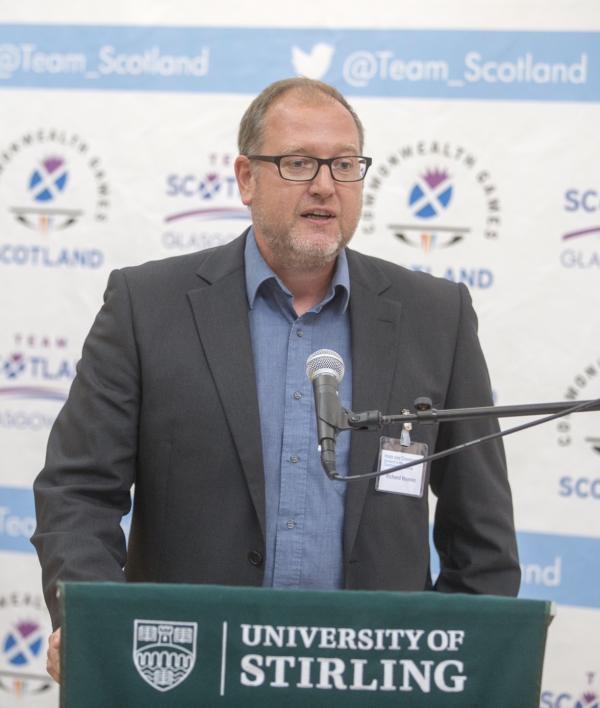
As the host institution of the 8th CRiC International Conference, we were keen to bring the conference into the Stirling context. To this end we have invited Professor Richard Haynes to kick off the 2026 conference with a Keynote entitled: Fae Raploch to Elland Road: The Making of Billy Bremner
He was labelled by John Arnott in the Sunday Times as “Ten stones of barbed wire”, but one of Scotland’s greatest players Billy Bremner began his footballing life as a kid on the streets of Raploch, a deprived housing estate in the shadow of Stirling Castle. Based on oral testimony from his peers and archival research this keynote reflects on Bremner’s sporting journey as a young boy from ’The Raploch’ in the immediate post-war years to a professional football career with Leeds United in the early-1960s. It explores how Bremner’s environment, hours of dedicated street football and opportunities to play football against older and physically tougher opponents helped forge his natural athletic ability into one of the greatest Scottish players of his generation.
2026 Introductory Keynote
Richard Haynes is Professor of Media Sport in the Faculty of Arts and Humanities, University of Stirling. His principal research interests focus on the inter-relationships between sport, the media and popular culture. His latest book is Streaming the Formula One Rivalry: Sport in the Platform Age written with Raymond Boyle (Peter Lang, 2024) and is currently series editor for Communication, Sport and Society for publisher Peter Lang. Richard also works closely with sport and heritage organisations on sporting heritage projects. These include: Commonwealth Games Scotland; the Scottish Football Museum; the Bill McLaren Foundation; the Scottish Football Supporters Association; the British Library; National Library of Scotland; and the Scottish National Portrait Gallery. He leads the Sport and Culture Research Group a peer support network of postgraduate research students, early-career researchers and sport heritage practitioners in Scotland. He is an Associate Member of the Leverhulme Centre for the Sciences of Place and Memory based at the University of Stirling and currently leads on an intergenerational research project on golf, place and memory.
Beyond Boundaries Keynote Address – Wednesday 10th June
At CRiC, we look both within and beyond traditional disciplinary boundaries in research and practice to advance our understanding. This keynote address is intended to challenge the conventional or ‘taken-for-granted’ in coaching. It does so by giving a platform to distinguished critical friends who engage with methods, theory and practice with potential enriching relevance for the CRiC community. This is not to ignore or disregard existing work, but to redirect, reconstruct, redefine or conceptually adapt what we already know. As we seek to develop novel horizons for critical sports coaching research and ensure that its contributions ‘live’ meaningfully in the wider world, this thought-provoking keynote helps to ensure that differing perspectives shape the future and move us to action.
Since 2025, we have invited distinguished critical thought leaders from beyond and beside sports coaching research to reflect upon and further develop CRiC’s commitment to cutting-edge scholarship.
Alumni:
2025 Professor Håkan Larsson
2026 Beyond Boundaries Keynote
For 2026, we are delighted to welcome Prof. Kitrina Douglas
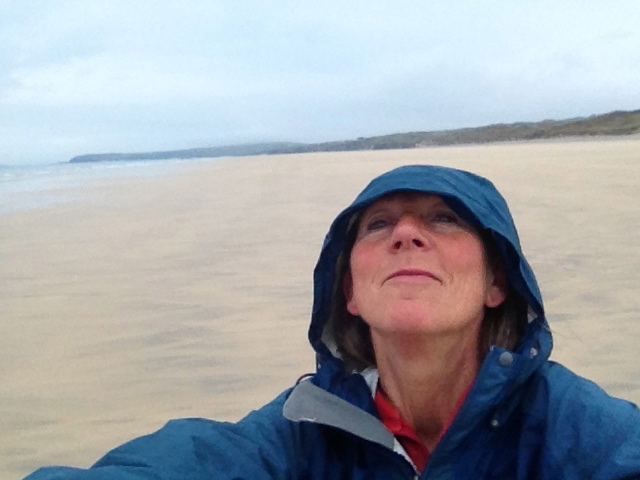
Introducing herself, she writes: My research spans the arts, humanities and social sciences coalescing around identity, transitions and mental health. With David Carless I have carried out research for organisations including the Department of Health, Addiction Recovery Agency, Royal British Legion, Women’s Sports Foundation, UK Sport, and NHS Primary Mental Health Care Trusts. Our research practice includes video/ethnography, storytelling, song-writing, performance, narrative methodologies and narrative. My best thinking occurs when I’m baking, running, walking by the ocean or sitting on a surfboard waiting for a wave. I hold a professorship in Narrative and Performative Research in the School of Social and Human science at the University of West London.
Kitrina’s University of West London Researcher Page
Bill Taylor Memorial Keynote Address – Thursday 11th June
Dr. William (Bill) Taylor died in 2023 leaving an exemplary legacy as an author, pedagogue and practitioner. As a founding member of the Cluster for Research into Coaching (CRiC), Bill was a driving force behind the critical coaching agenda. He made significant contributions to our community not only through his writing, programme leadership and his editorial role with Sports Coaching Review, but also by championing those who, like him, sought to interrogate coaching as a dynamic, social and complex enterprise. Bill is remembered as a popular and deeply respected colleague, friend and mentor.
Since 2023, we have honoured Bill Taylor in this Memorial Keynote Address by inviting our most distinguished critical thought leaders in sports coaching research to reflect upon and further ‘set the tone’ for CRiC’s commitment to interrogative coaching scholarship. Thus the address is not only meant to honour Bill, but to consider what his thoughts would be in relation to current day coaching research and scholarship.
Alumni
2023 Professor Chris Cushion
2024 Professor Lars Tore Ronglan
2025 Professor Kenneth Aggerholm
2026 Bill Taylor Memorial Keynote
This year, we have invited Professor Don Vinson to bring the 4th Bill Taylor Memorial Keynote
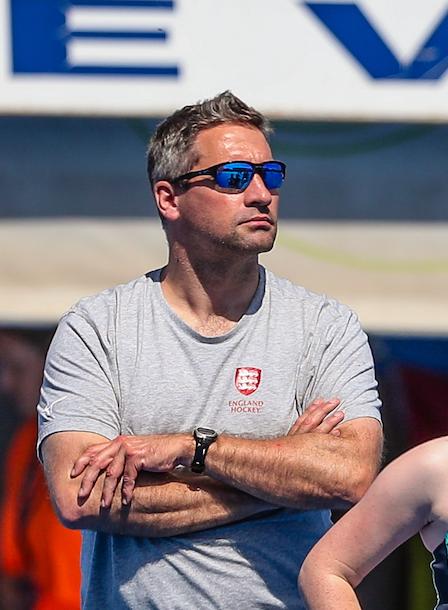
Don is Professor of Sport Coaching at the University of Worcester, leading the Coach Developer and Performance Analyst Research Group. His expertise spans sport coaching, pedagogic theory, and coach developer learning, with recent research exploring Landscapes of Practice. Don is Head Coach of England U16 girls’ hockey and has coached at national premier levels. He consults for UK Sport and numerous NGBs on Olympic and Paralympic coach development programmes. A Senior Fellow of the Higher Education Academy, Don serves on international research committees and editorial boards. Passionate about sport, he also plays squash and golf and is active in his local church.
‘Rising Star’ Keynote Address – Friday 12th June
The Cluster for Research into Coaching (CRiC) is a global community for critical and insightful sports coaching research and practice. This keynote showcases the important and progressive contributions of members to such scholarship.
Intended to support notable ‘champions’ of what CRiC stands for, this keynote address gives those at the core of our community a platform from which to reflect upon their studies in sport coaching. To borrow from ethnomethodology, this is as opposed to ‘studies for’ or ‘studies about’ the activity. Such leaders thus, are invited to share their journeys and immersions in coaching scholarship, their latest thinking, in addition to future trajectories and new frontiers.
We hope that this energising keynote will raise the profile of current and future leaders in our field, whilst stimulating others to pursue innovations to drive CRiC forward.
Alumni
2024 Dr. Anna Stodter
2025 Dr. Zoë Avner
2026 Rising Star Keynote
This year we are delighted that Dr. Adam Nichol will deliver this keynote.
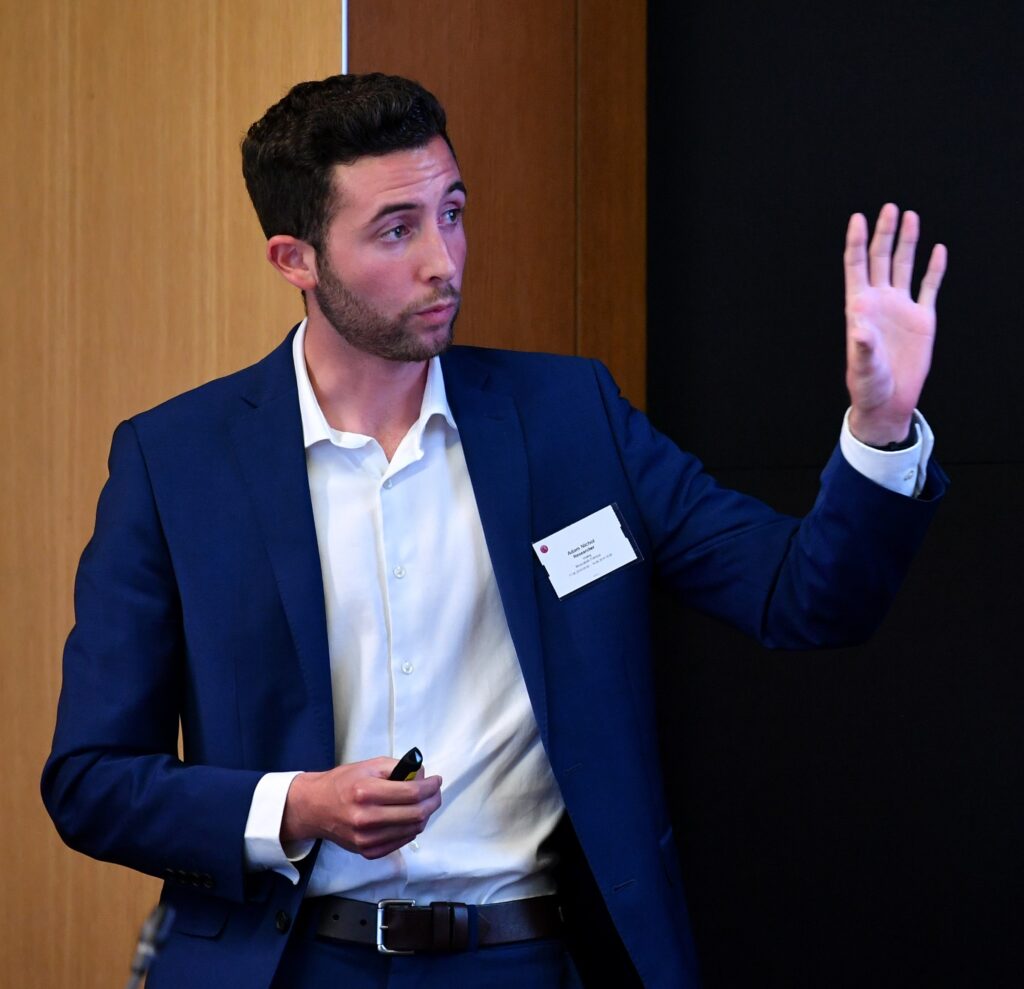
Adam is an Assistant Professor of sport coaching in the School of Sport, Exercise and Rehabilitation at the University of Northumbria at Newcastle, UK. His research interests principally focus on the sociological study of (non)influence in and through sport using normative and educational theory. He has conducted internationally funded research shaping policy and practice in various sporting organisations. He holds an external examiner position at Buckinghamshire New University and is also a currently active coach and coach developer in cricket and an assistant referee in football.
Towards Emergent and Diffractive Forms of Learning, Development and Influence in Sport Coaching
Synopsis: This talk will critically examine conceptualisations of learning, development and social influence in sport coaching. After discussing findings from a large-scale systematic review of literature, the keynote will propose philosophical, methodological and theoretical perspectives with the aim of stimulating new ways of thinking, researching and practicing. Drawing on research conducted with – and developing impact for – a number of organisations, including Professional Game Match Officials (PGMO), UK Coaching, New Zealand Football, The FA, Northumberland Cricket Board Limited, the Gaelic Athletics Association (GAA), The Premier League, and Manchester City (City in the Community), consideration will be given to how and why the same social environment or practice can bring about vastly different forms of learning and influence for a range of individuals.